
Custom Home Builders in Burleson, TX
A custom home builder constructs a one-of-a-kind house from plans developed for a specific owner, usually on land that owner controls, with the layout, materials, and finishes decided by you rather than picked from a menu. Around Burleson this most often means building on acreage in Johnson County or on an individual lot, and the process rewards preparation more than any other way of getting a home.
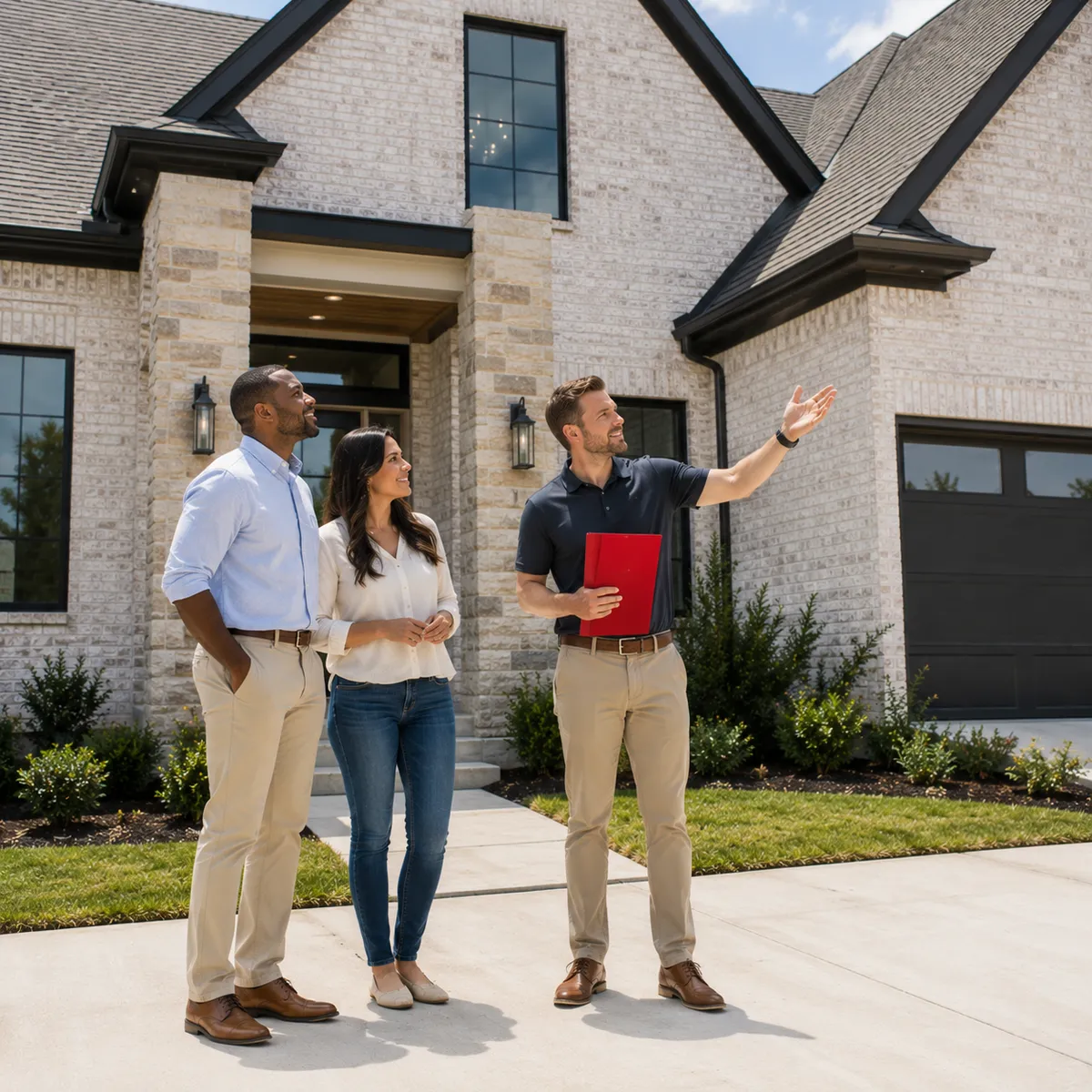
What counts as a custom build
Full custom means the plans start from your requirements: an architect or residential designer draws the home, engineers stamp the structure, and the builder prices and constructs exactly that. Semi-custom means starting from a builder's existing plan and modifying it, which saves design fees and time while still allowing meaningful changes. Choosing upgrade packages from a production builder is not custom building, however the brochure reads; the real distinction is who originates the design.
That distinction shows up geographically here. Most of the new inventory along the growth corridor through Burleson is production building on developed lots, so genuinely custom work tends to happen out on Johnson County acreage or on individual lots inside town where a single house goes up on its own. If what you actually want is a well-chosen plan with upgrades, a production community will deliver it faster and for less; the custom route earns its cost when the site or the requirements are unusual.
Compare the Production Community Path
Land comes first
Where you build shapes everything after it. Inside Burleson city limits you get municipal water and sewer, city permitting, and city inspections. On county acreage toward Joshua, Godley, or Cleburne you may need a well and a septic system, and while zoning is lighter there, deed restrictions can still govern what you build. Before committing to any parcel, confirm utility access, legal road access, floodplain status, and drainage.
Then test the dirt. This part of North Texas sits on expansive clay that swells and shrinks with moisture, so a geotechnical soil report should come before foundation design, and the foundation should be engineered from that report. It is the least glamorous money in the project and some of the best spent.
The design phase
From wish list to working drawings
Design takes real time: schematic layouts, revisions, structural engineering, and energy details all happen before a shovel moves. Bringing your builder into design early pays off, because pricing feedback while the drawings evolve prevents the classic heartbreak of a finished plan that bids far over budget.
The design decisions that matter most here are the ones the climate touches. Where the west-facing glass lands, how deep the covered porch runs, how the house is oriented on the lot, and whether the mechanical system was sized alongside the drawings rather than after them all decide how a North Texas summer feels indoors. Outdoor living gets designed in at this stage too, because shade, airflow, and the path from kitchen to patio cannot be added convincingly later.
Allowances
An allowance is a placeholder dollar amount in the contract for items not yet selected, such as flooring or light fixtures. Low allowances make a bid look cheaper than it will turn out to be, so when comparing builders, compare allowance levels line by line and ask what those numbers realistically buy.
Change orders
Any change after contract belongs on a written change order stating its cost and schedule impact before the work happens. Builders who handle changes verbally are not doing you a favor; undocumented changes are where custom budgets quietly fail.
Choosing the builder
With no state license screening builders in Texas, your own diligence sets the quality bar. Focus it here:
- Look for finished homes similar to yours in scale and complexity, not just attractive photos
- Walk a job under construction and study framing quality and site organization
- Ask past clients about communication, billing accuracy, and service after move-in
- Ask who personally supervises your build and how many projects they run at once
- Compare bids by line item, allowances included, never by the bottom line alone
Local experience is not a formality on a custom project. A builder who has worked inside Burleson and out in Johnson County has already dealt with the permitting authority you will use, with foundations engineered for expansive clay, and with the septic and water approvals a county lot adds. Ask which of their finished homes are close enough to visit, then go stand in front of them.
Paying for a custom build
Custom construction is usually funded with a construction loan that releases money to the builder in stages as inspections pass, then converts or refinances into a permanent mortgage at completion. It is a different underwriting process from a resale purchase, and fewer lenders offer it, so start the financing conversation before you finalize plans.
Two Texas details belong in the same conversation. Your land purchase closes through a title company acting as escrow agent, the same way any Texas real estate transaction does, so the survey, the title commitment, and any recorded restrictions surface there rather than at the builder's table. And your homestead exemption cannot be filed until you own and occupy the finished house, so plan the first year of property taxes and escrow with your lender instead of assuming the numbers from your last home carry over.
Start the Financing Conversation Early
While the house goes up
Plan on a steady rhythm of decisions and site visits. Selections carry deadlines tied to construction stages, and late decisions ripple into delays. Keep a shared written record of everything that changes scope, photograph the walls before drywall covers the mechanicals, and hold a healthy buffer in both budget and calendar for weather, since slab pours and framing wait on dry ground.
Size that buffer for the local calendar. North Texas springs are stormy, and sitework, slab pours, framing, and roofing are the stages that stop when the ground is wet. Municipal or county inspections check code minimums at set moments and are not a review of workmanship on your behalf, which is why owners on custom projects hire their own inspector for the pre-pour and pre-drywall stages while everything is still visible.