
Pre-Listing Home Inspections for Burleson Sellers
A pre-listing inspection is a full home inspection a seller orders before putting the house on the market, instead of waiting for the buyer's inspector to surface problems mid-contract. For Burleson sellers, it converts inspection surprises into decisions made on your own schedule: repair the item, price it in, or disclose it and move on.
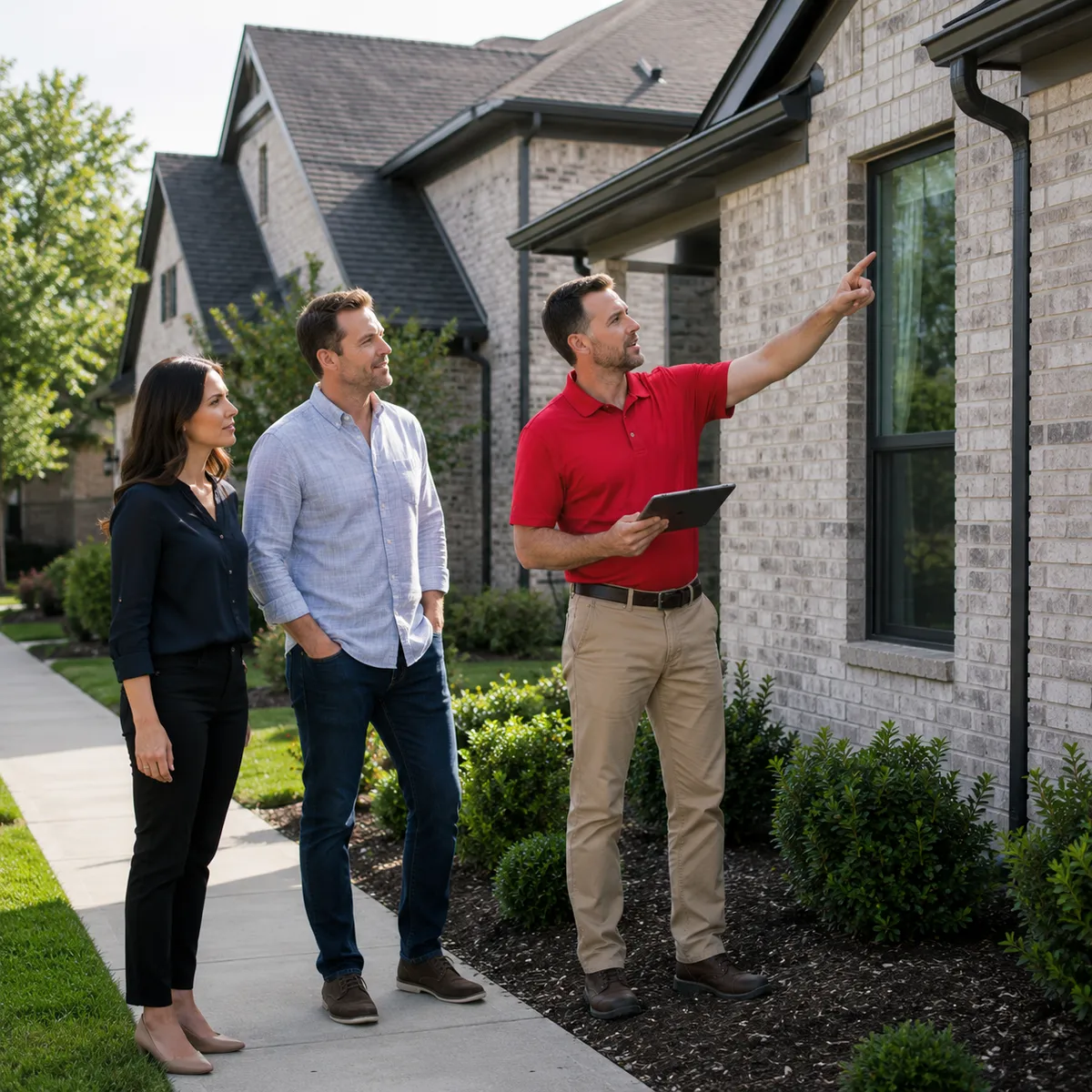
Same report, completely different position
The scope of a pre-listing inspection is identical to the buyer's version: a licensed inspector reviews the structure, roof, electrical, plumbing, HVAC, and drainage and writes up every deficiency. What changes is who orders it and when. The buyer's inspection happens under contract, on the buyer's clock, with earnest money committed and an option period ticking. A pre-listing inspection happens before the sign goes in the yard, when nothing is at stake and you have time to think. The information is the same; the negotiating position is not.
Knowing the local script makes that advantage concrete. A buyer's inspector working a Burleson house turns first to the slab and the roof, because expansive clay soil and North Texas hail are what make repairs here expensive. Order the same report yourself and you read those two pages weeks earlier, in a quiet house, with the option to fix, price, or document before anyone is negotiating against you.
The strategic case for inspecting before you list
- You set the repair timeline and choose your own contractors, instead of paying rush prices to meet a contract deadline.
- You price the home knowing its true condition, which lets your agent defend the list price when buyers push back.
- You shrink the renegotiation window: buyers renegotiate hardest off their inspector's surprises, and a pre-inspected home offers fewer of them.
- You cut the odds of a busted contract, because a sale that dies over inspection findings sends the home back to market with lost weeks and wary buyers.
The first advantage is the one Burleson sellers feel most. Roofers, foundation contractors, and drainage crews across this corridor get busy after a spring hail event, and a repair you schedule on your own terms in a quiet month is a different transaction from the one you book against a contract deadline. Timing your inspection before you list is what buys that choice, and it pairs naturally with pricing: know the condition first, then set the number.
Start With a Free Home Valuation
Check Current Burleson Market Conditions
The disclosure trade-off usually works in your favor
Texas requires most home sellers to complete a Seller's Disclosure Notice, and material defects you know about must be disclosed. That means anything your pre-listing inspection uncovers goes on the notice unless you fix it. Some sellers see that duty as a reason not to inspect. In practice it tends to cut the other way: the buyer's inspector will likely find the same issues anyway, but mid-contract, where a discovery reads as a surprise and invites aggressive renegotiation. Disclosed up front, the same item is simply part of the deal the buyer already offered on.
Two lines on that notice get read hardest around here: previous structural repair and the age of the roof. Neither scares an informed local buyer on its own, because foundation work and hail-driven roof replacements are ordinary events in Johnson County. What unsettles a buyer is a bare yes with no paperwork behind it. Attach the engineer's letter, the repair warranty and its transfer instructions, and the roofing invoice, and a disclosure that could have cost you the contract becomes evidence the house has been looked after.
Repair, price in, or disclose: sorting the findings
Not every finding deserves the same response. A practical sort for Burleson sellers:
- Fix safety items and inexpensive, high-visibility repairs first; they cost little and remove the objections buyers latch onto during showings.
- Get bids on big-ticket findings, then decide whether to complete the work before listing or adjust the price with the bid in hand.
- Disclose what you choose not to fix, with the paperwork attached, so buyers price it in from day one instead of discovering it later.
In this market, roof and foundation findings dominate that middle bucket, because hail-worn shingles and clay-soil foundation movement are the first two things local buyers and their inspectors go looking for. Documentation defuses both: a roofing invoice, an engineer's letter, or a transferable foundation warranty calms a nervous buyer more than fresh paint ever will.
When skipping the pre-listing inspection makes sense
A pre-listing inspection is a tool, not a rule. If the home is nearly new, if you already hold recent inspection reports and repair records, or if you are selling as-is to an investor who plans a renovation, the report may add cost without changing the outcome. Some sellers in fast markets with multiple offers also choose to rely on the buyer's process. Understand the trade: you are giving up control of the surprise in exchange for one less upfront expense, and you should make that choice deliberately with your agent rather than by default.
The nearly-new exception is a real one in Burleson's newer subdivisions, especially for owners who kept the phase reports and the builder's first-year punch list. The exception gets weaker with every year the house spends on clay soil under North Texas weather. If your slab has been through several wet-to-dry cycles and your roof has seen a hail season or two, you are no longer selling a house whose condition is documented. You are selling one whose condition is a question, and a pre-listing inspection is how you answer it first.
Find a Pre-Listing Inspector in Burleson
However you handle the inspection question, it is one piece of a listing strategy that also covers pricing, timing, and marketing. Start the conversation before you need the sign in the yard.